Is Your Cutting Board Dulling Your Knives? A Chef's Guide
A chef's guide to choosing a surface that protects your edge
First, a Warning About Aluminum Cutting Boards
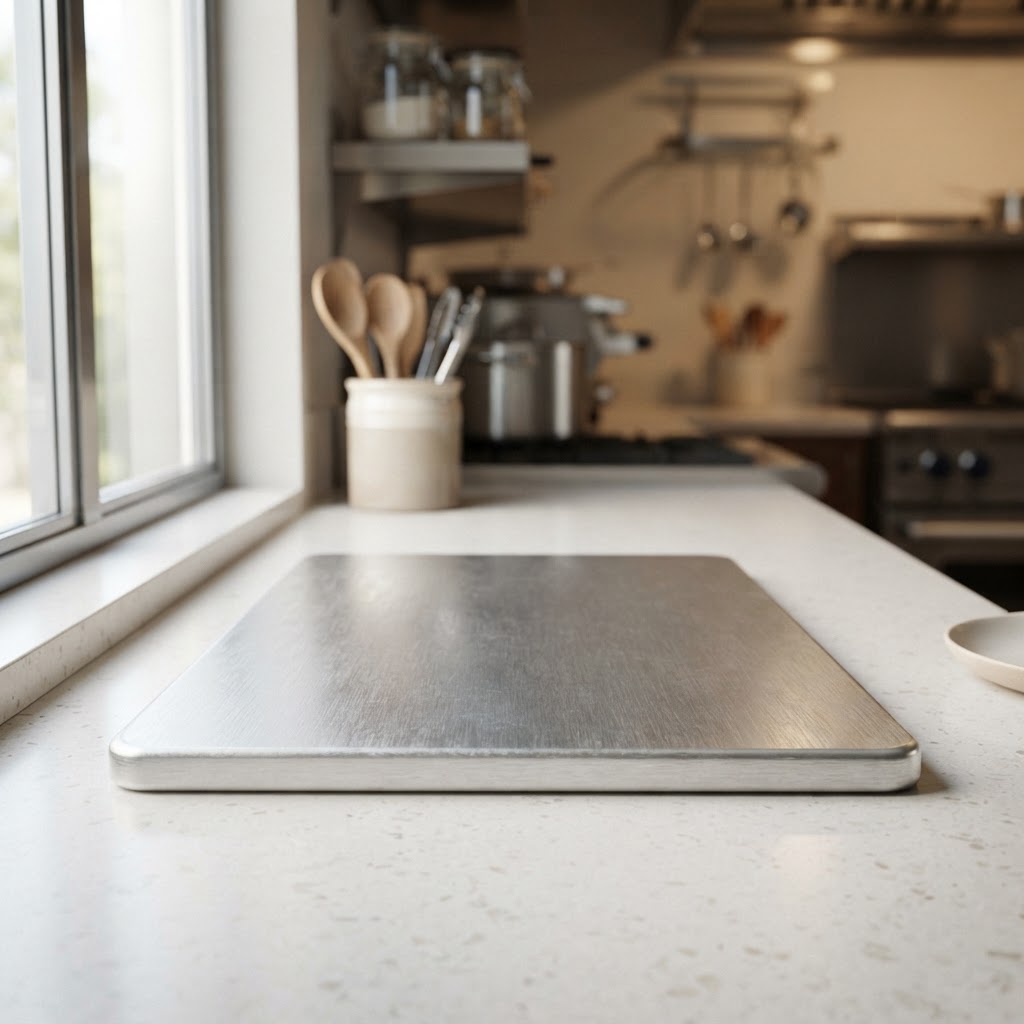
Aluminum cutting boards may look modern and easy to clean, but they aren't my choice for good kitchen knives. Unlike forgiving wood or rubber, a rigid metal surface offers little cushioning when your blade strikes it. Repeated chopping can accelerate edge wear or deformation. How quickly a knife dulls depends on the knife, board, and cutting technique—there's no reliable universal "50 times faster" figure.
After more than 30 years as a chef, my advice is simple: Protect your knives by choosing a knife-friendly cutting board. Here's how the most common materials compare.
1. End-Grain Wood — Premium Knife Protection
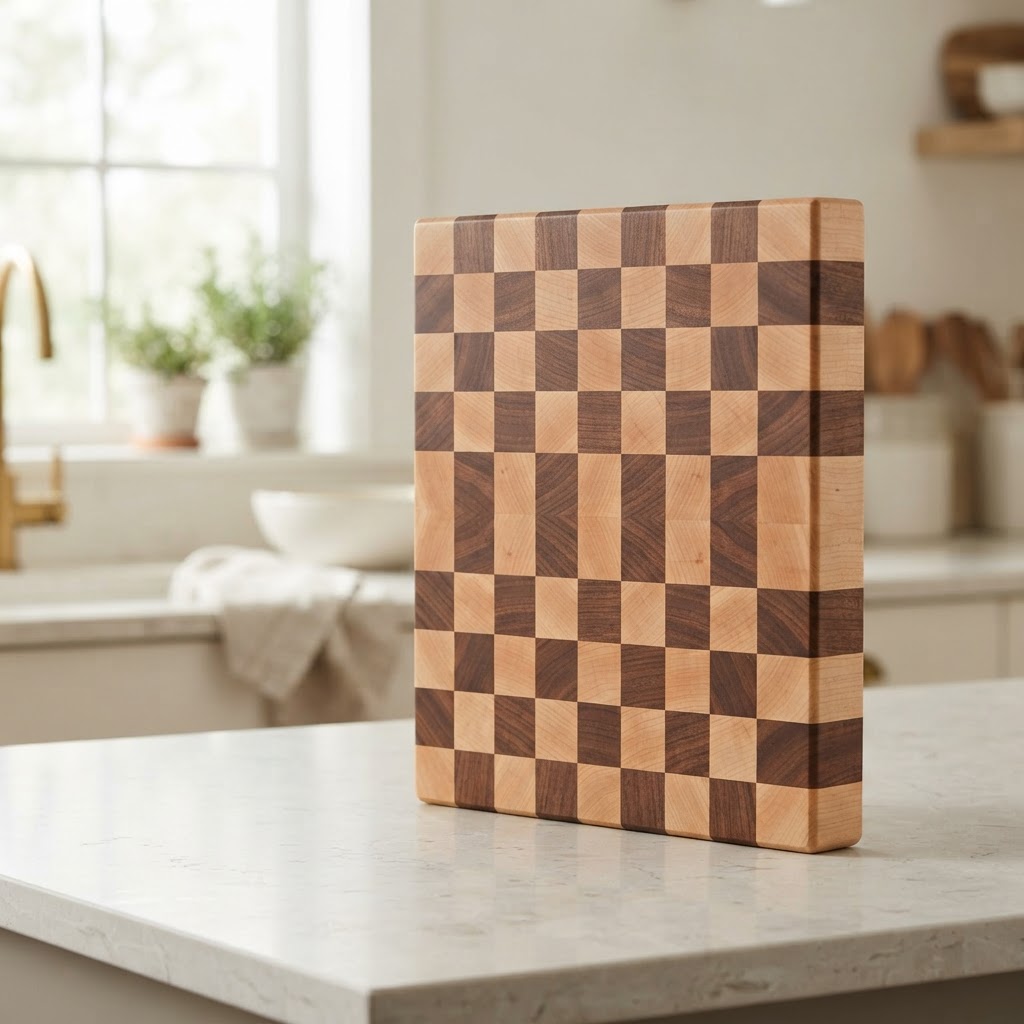
Recognizable by its checkerboard look, end-grain wood exposes the ends of the wood fibers. Those fibers can give slightly under a blade, making a quality end-grain maple or walnut board an excellent choice for fine edges.
Best for: Frequent cooks who want premium knife protection.
Trade-off: Higher price, more weight, and regular handwashing and oiling.
2. Edge-Grain Wood — Best Everyday Value
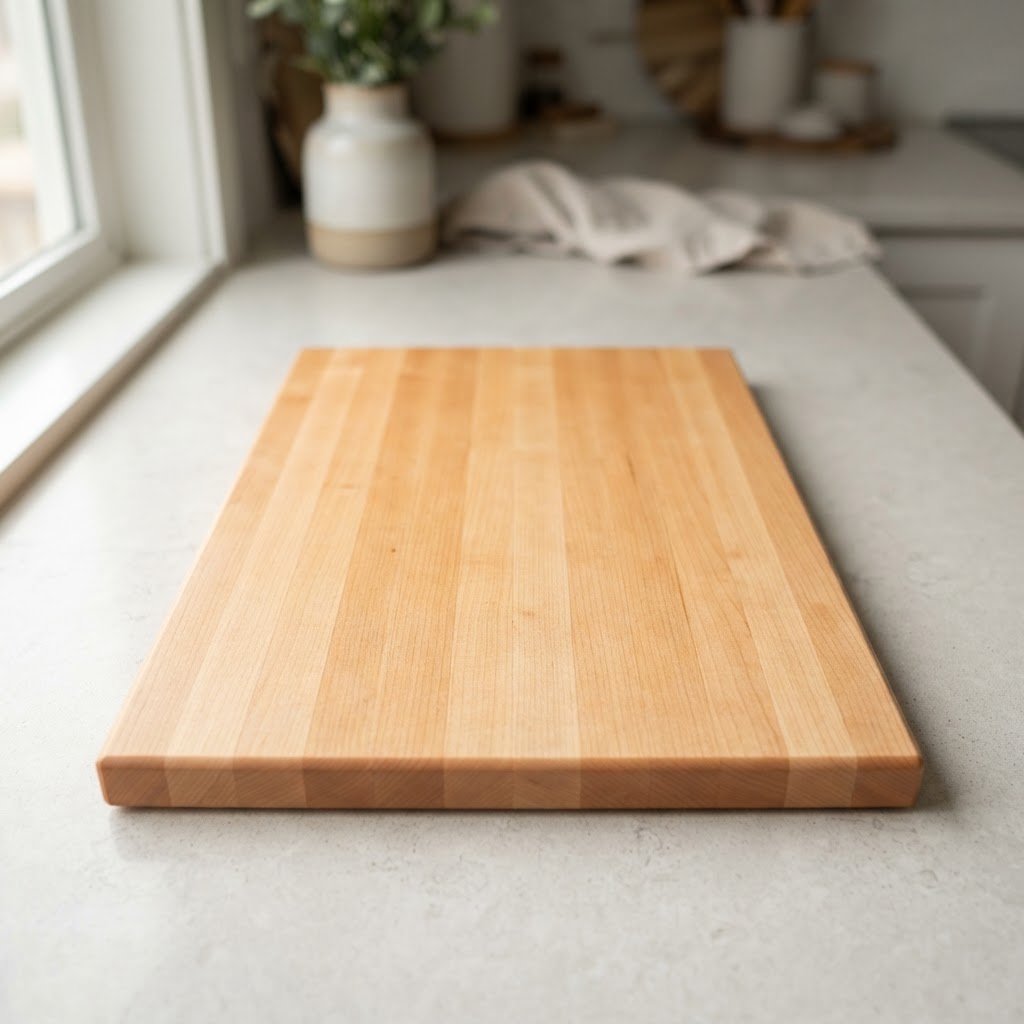
Made from long strips of wood with visible parallel grain, edge-grain boards are durable, practical, and generally less expensive than end-grain versions. Maple is a particularly good everyday option.
Best for: Home kitchens seeking a balance of value and edge care.
Trade-off: Knife marks show more easily; wood still needs maintenance.
3. Bamboo — Convenient, but Choose Carefully
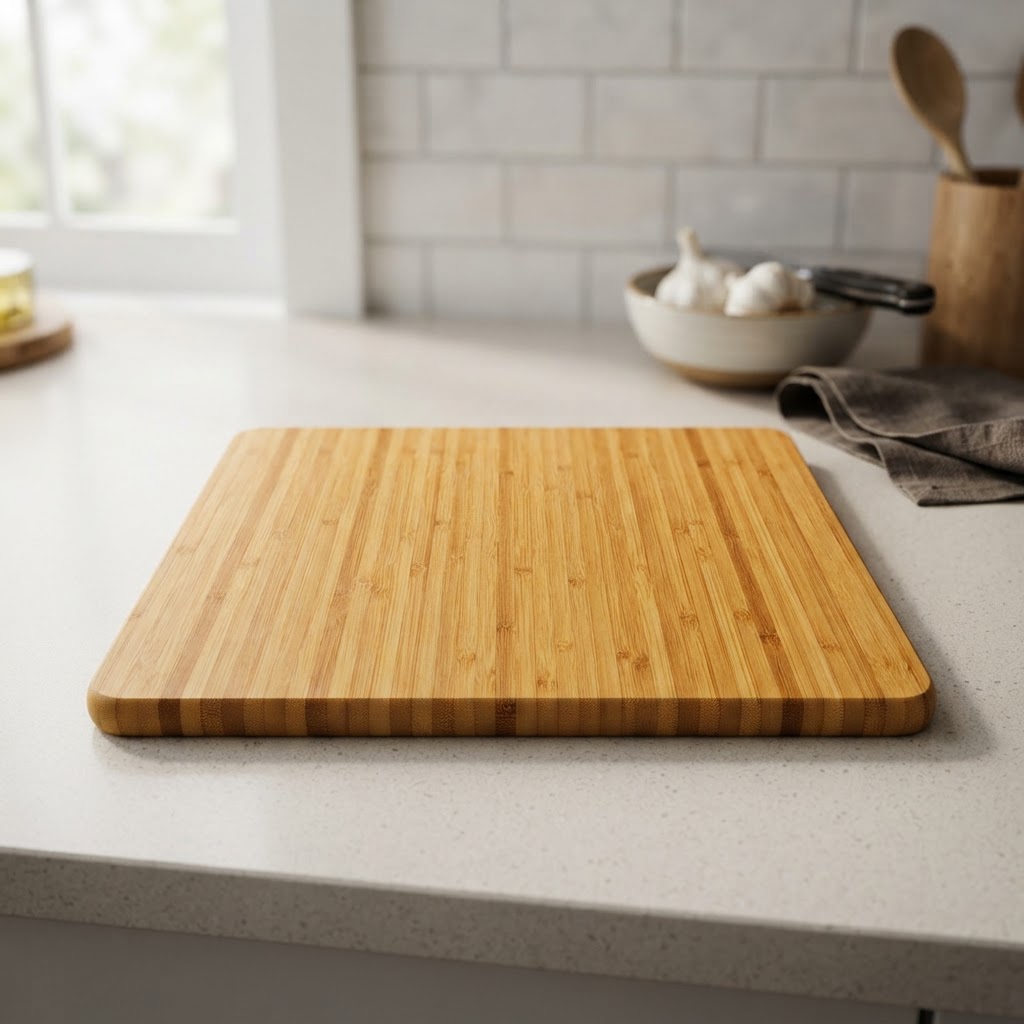
Bamboo is affordable, attractive, and rapidly renewable. Some bamboo boards are harder on knife edges than traditional hardwood boards, however, and quality varies.
Best for: Budget-friendly everyday use.
Trade-off: May dull fine edges sooner than a suitable maple or rubber board.
4. Plastic — Easy to Clean
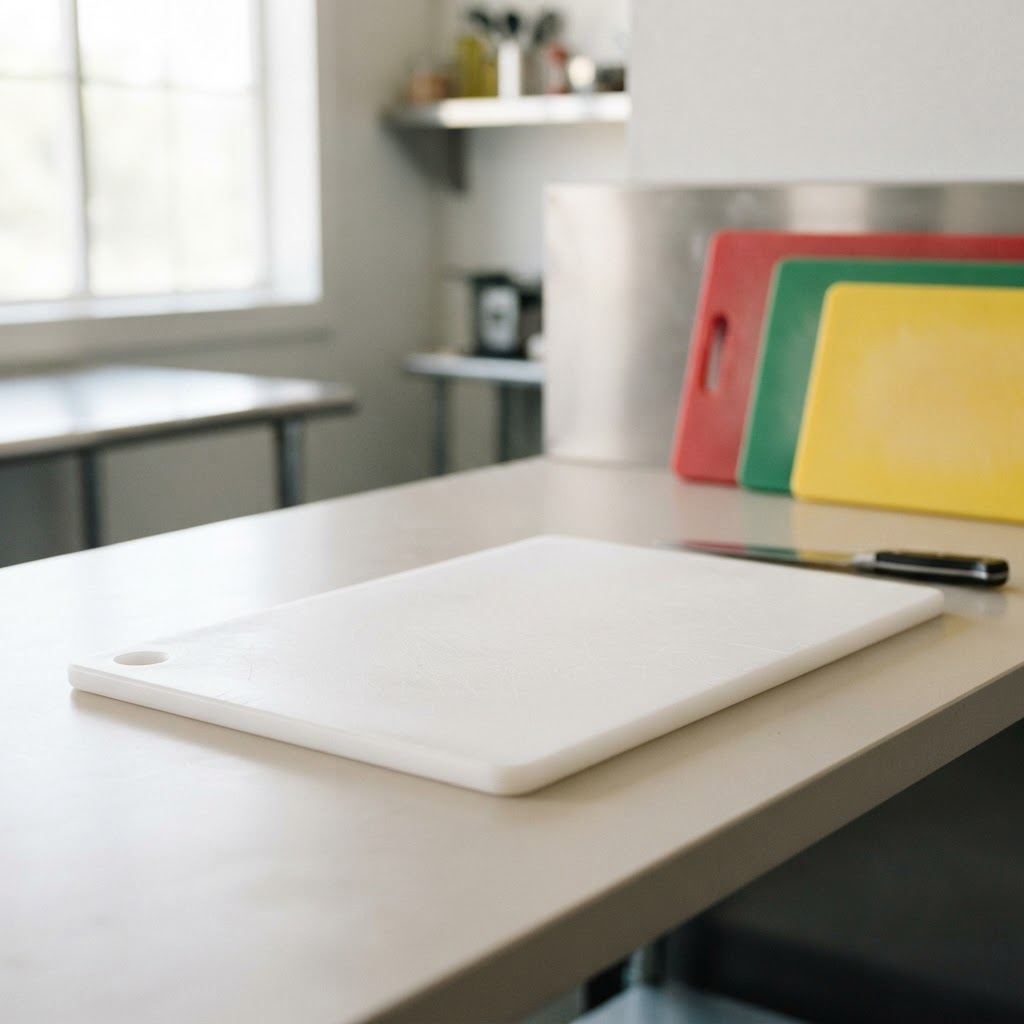
Quality polyethylene cutting boards are useful for everyday food prep, especially raw meat and poultry. Many are dishwasher-safe, and color-coded boards help separate ingredients.
Best for: Practical food prep and easy cleaning.
Trade-off: Deep knife grooves can become difficult to sanitize; replace worn boards.
5. Glass — Skip It for Chopping
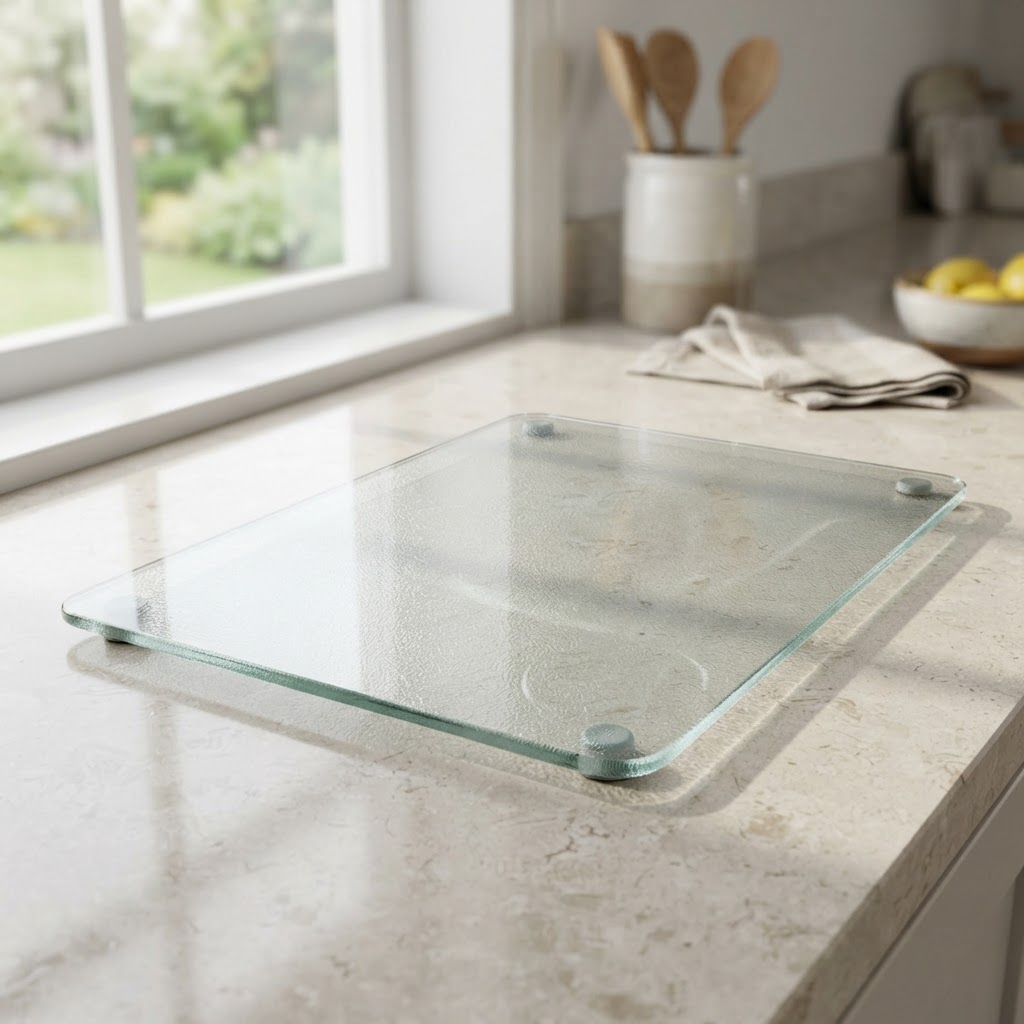
Glass is hard and unforgiving. Repeated blade contact can quickly damage a fine edge, and a slippery board adds risk.
Best for: Serving and presentation only.
Trade-off: One of the poorest cutting surfaces for knife longevity.
6. Marble and Granite — Great for Pastry, Not Knives
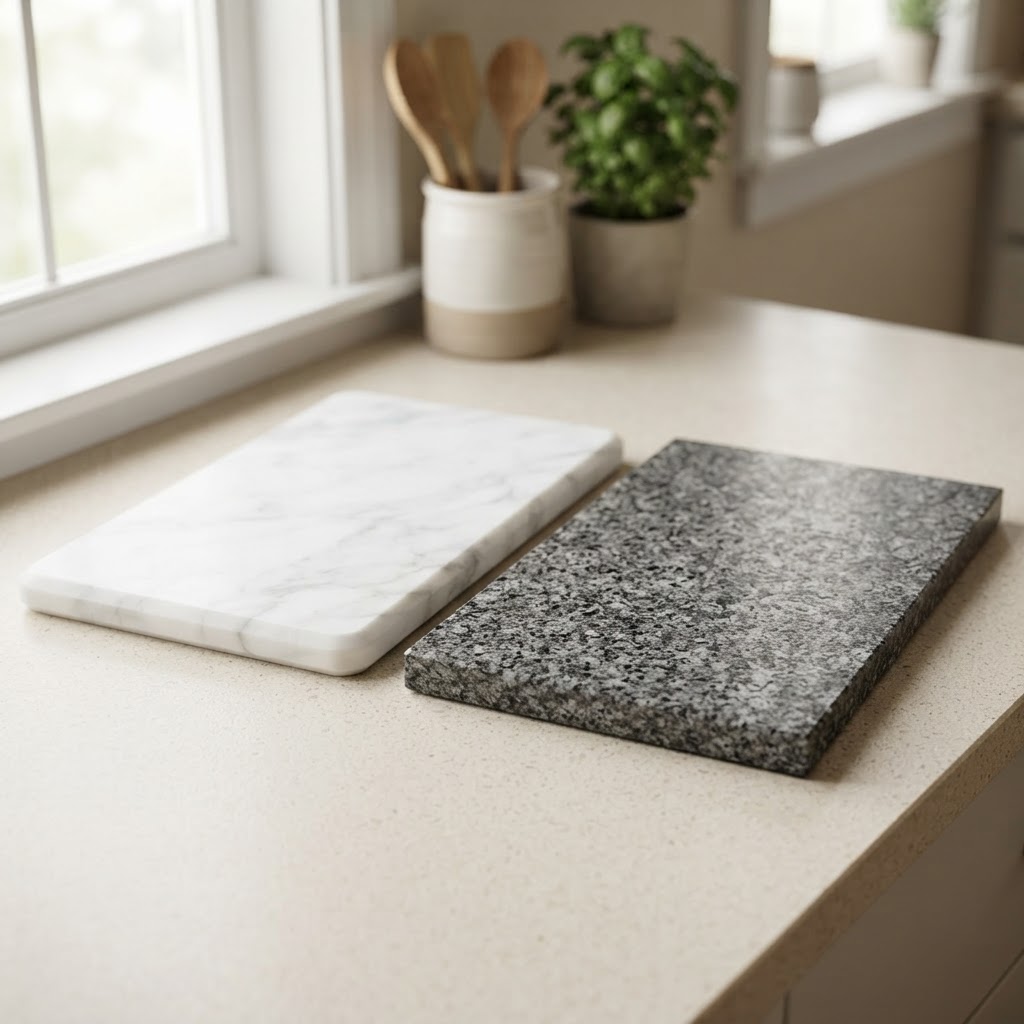
Stone slabs look beautiful and can be useful for pastry work, but they're much too hard for regular chopping with good knives.
Best for: Pastry and serving.
Trade-off: Hard surfaces can damage delicate cutting edges.
7. Rubber — A Professional Favorite
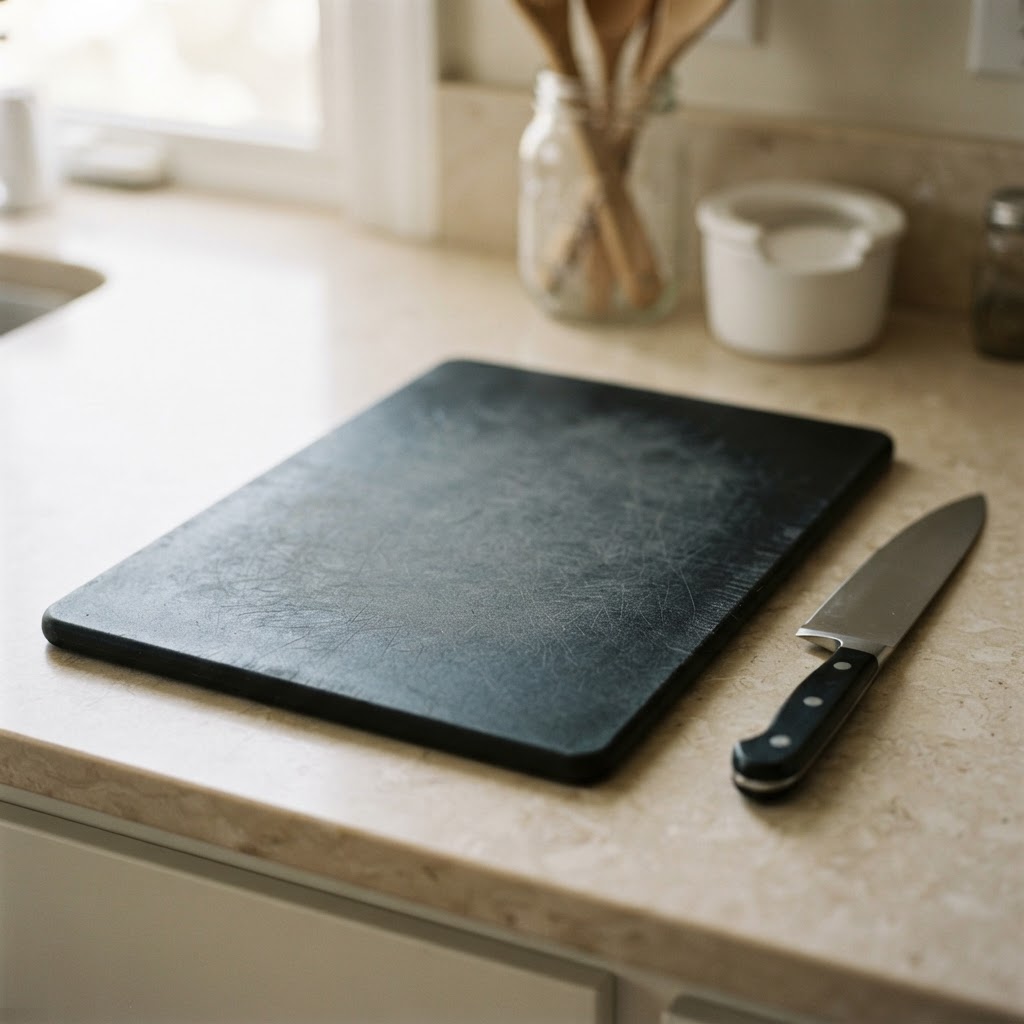
Quality rubber cutting boards offer a forgiving surface and are popular with some chefs, particularly those using finely sharpened Japanese knives.
Best for: Fine-edge knives and frequent prep.
Trade-off: Specialty boards may cost more and have specific cleaning requirements.
Quick Comparison
| Material | Knife friendliness | My take |
|---|---|---|
| End-grain hardwood | Excellent | Premium choice |
| Edge-grain hardwood | Very good | Best everyday value |
| Quality rubber | Excellent | Great for fine edges |
| Suitable plastic | Good; varies | Practical choice |
| Bamboo | Fair to good | Choose carefully |
| Aluminum | Poor | Avoid for routine chopping |
| Glass | Very poor | Use for serving |
| Marble / granite | Very poor | Use for pastry or serving |
Board quality, surface hardness, knife steel, and technique can change the results.
Three Simple Ways to Protect Your Knives
- Cut on wood, suitable plastic, or quality rubber—not glass, stone, or metal.
- Handwash and dry wooden boards; oil them with food-grade mineral oil as needed. Follow maker instructions for other materials.
- Keep boards stable with a nonslip mat, and replace heavily cracked or deeply grooved boards.
Sharpen Vegas: Keep That Edge Working
A sharp knife cuts with less force, and the right board helps it stay sharp longer. At Sharpen Vegas, we bring professional on-site sharpening to the Las Vegas Valley and Boulder City. With 30+ years of chef experience, we sharpen kitchen, chef's, bread, and many other knives. We also sell knives.
Choose a better board. Keep a better edge. Visit sharpenvegas.com to learn more or schedule sharpening.
